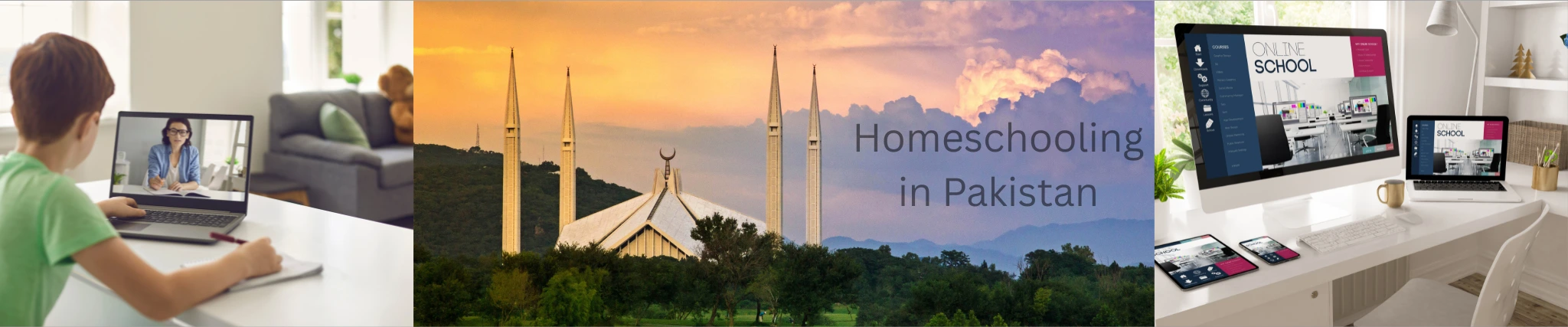

Homeschooling is an educational approach where parents or guardians take on the primary responsibility for their child’s education, teaching them at home instead of enrolling them in a traditional school.
In Pakistan, this method is gaining traction as more families seek:
- Personalized learning
- Flexible education systems
But what does the law say about homeschooling in Pakistan?
Understanding the legal guidelines and requirements is crucial for parents considering this path.
Legal Landscape of Homeschooling in Pakistan
Unlike many countries, Pakistan does not have specific laws regulating homeschooling.
The Ministry of Federal Education and Professional Training does not mandate any particular requirements like:
- Registration
- Reporting
- Specific requirements for homeschoolers
This gives parents the freedom to educate their children at home without formal approval. However, this flexibility also comes with responsibility:
- Parents must ensure their children receive a quality education
- Children should be prepared for future academic and career opportunities
Curriculum Choices for Pakistani Homeschoolers
With no mandated curriculum, Pakistani homeschoolers have a wide range of options.
Popular Curriculum Options
-
International British Curriculum (Cambridge Curriculum)
Many families opt for this due to:- Global recognition
- Structured academic approach
It provides qualifications accepted by universities worldwide, making it ideal for parents aiming for international opportunities.
-
Custom Curriculum
Parents can design their own curriculum based on:- Their child’s learning needs
- Personal interests
- Educational goals
This approach offers maximum flexibility but requires:
- Active planning
- Resource sourcing
Addressing the Challenges
While the legal freedom to homeschool in Pakistan is a significant advantage, it also comes with challenges.
Common Challenges
-
Lack of Formal Support Systems
The absence of a legal framework can make it harder to access structured resources and institutional support. -
Socialization Concerns
Without traditional school environments, children may have fewer daily peer interactions.
Practical Solutions
These challenges can be managed by:
- Joining homeschooling communities
- Participating in co-ops
- Enrolling children in extracurricular activities
This ensures children still develop strong social and interpersonal skills.
Tips for New Homeschooling Parents
Starting homeschooling can feel overwhelming—but with the right approach, it becomes manageable.
Practical Tips
-
Research and Plan
Take time to understand different homeschooling methods and curricula.
Consider your child’s learning style and your family’s goals. -
Connect with Other Homeschoolers
Join online forums or local groups to share experiences and resources.
This can provide valuable support and ideas. -
Start Small
Don’t try to replicate a traditional school day at home.
Begin with a few subjects and gradually build up as you and your child adjust. -
Be Flexible
One of the greatest advantages of homeschooling is adaptability.
If something isn’t working, don’t hesitate to change your approach. -
Focus on Holistic Development
Education isn’t just about academics.
Include:- Life skills
- Physical activity
- Creative pursuits
Conclusion
Homeschooling in Pakistan offers families a unique opportunity to take control of their children’s education without being constrained by strict legal regulations.
This freedom enables:
- Personalized learning experiences
- Flexible educational structures
However, it also places responsibility on parents to ensure a well-rounded and comprehensive education.
By:
- Understanding the legal landscape
- Choosing the right curriculum
- Addressing potential challenges
Parents can successfully navigate the homeschooling journey in Pakistan.