

Covering the syllabus isn’t the same as students learning it. A teacher can know the subject well, deliver every lesson on schedule, and still find that students struggle to understand, apply, or connect what they’ve been taught.
For many schools, the challenge isn’t simply about resources. It’s also about teacher development. A good curriculum and a well-equipped classroom help, but real learning happens when teachers can turn knowledge into understanding, and understanding into practice.
That’s why teacher development shouldn’t be a once-a-year event. It should grow with the needs of your teachers, your students, and your classrooms.
You don’t need a large internal training department to make this happen. At TutorBees.net, we bring subject specialists to schools that don’t run regular in-house workshops, so you don’t have to hire and manage that expertise yourself, giving your teachers the same quality of development available in better-resourced schools.
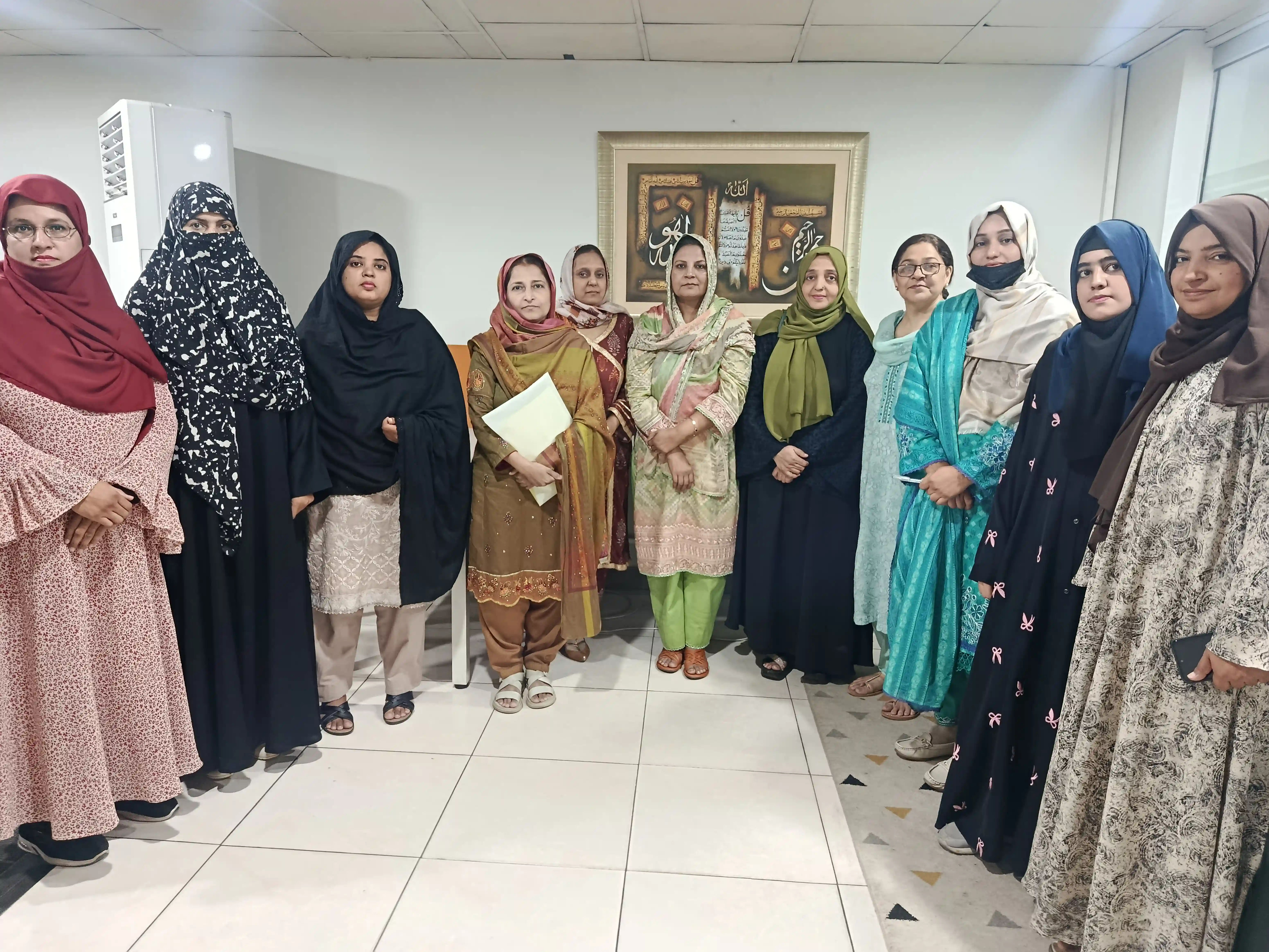
4 Teachers Cohort
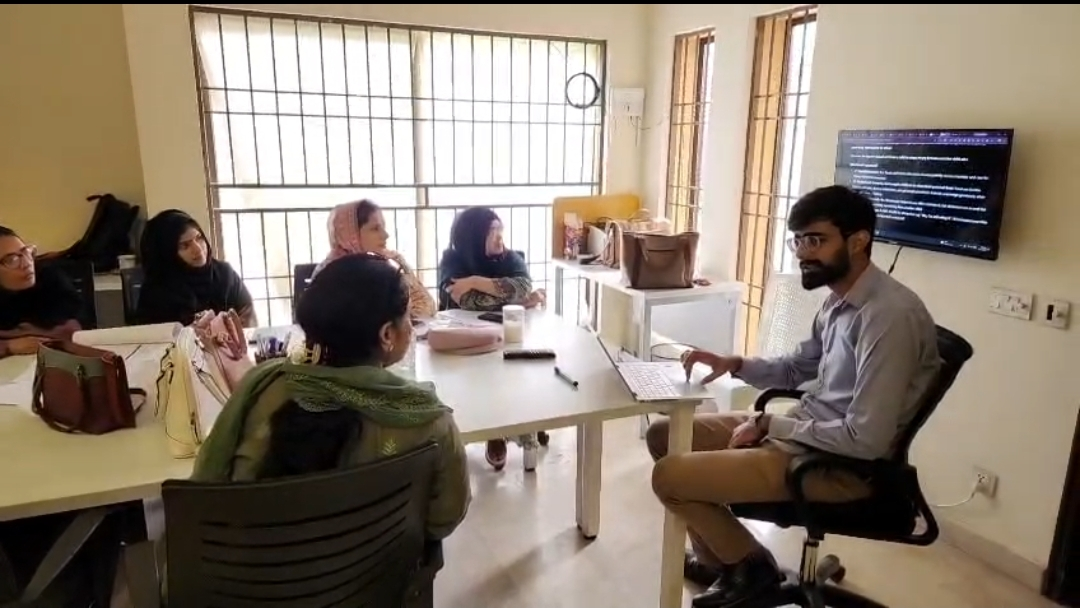
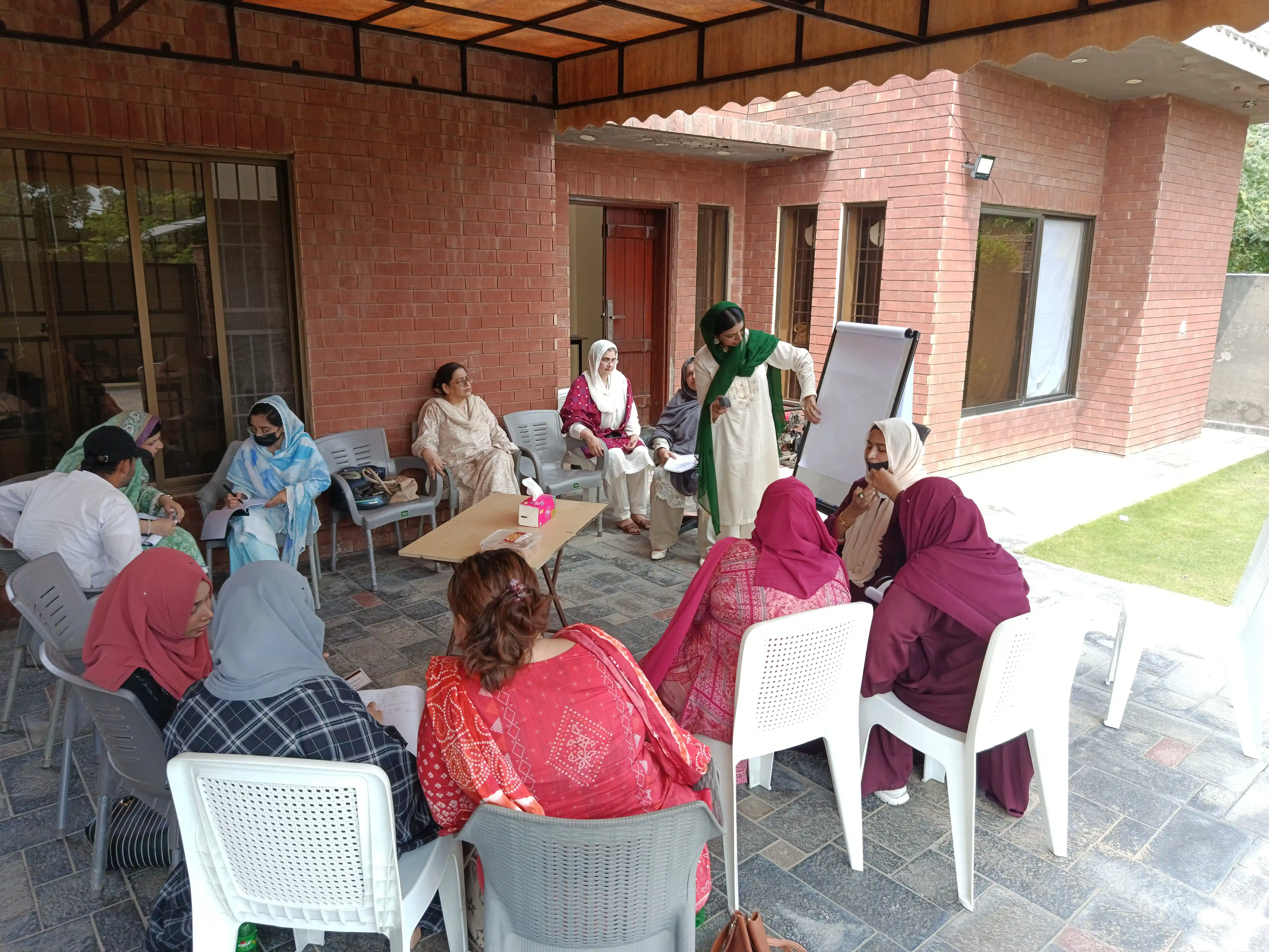
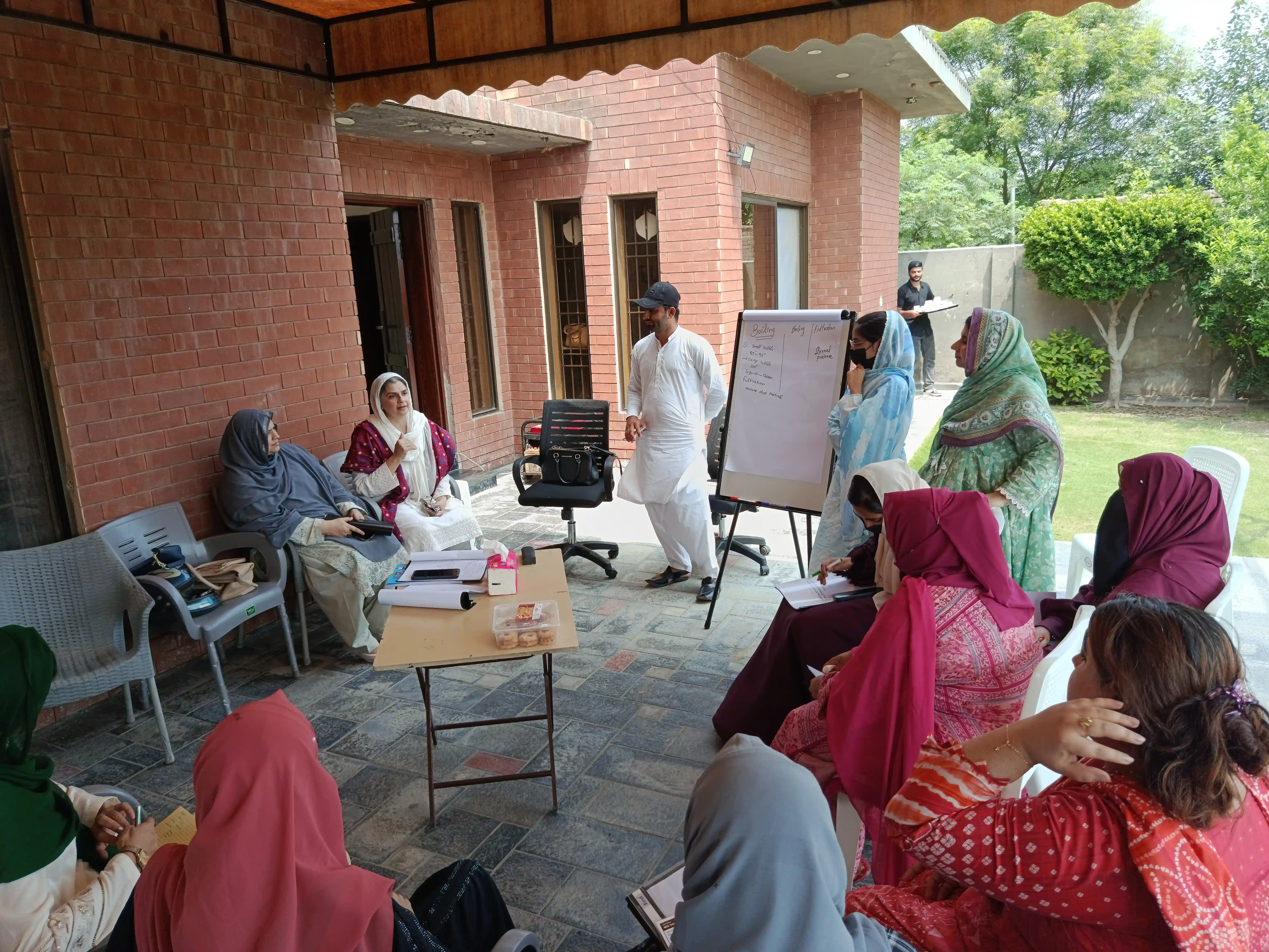
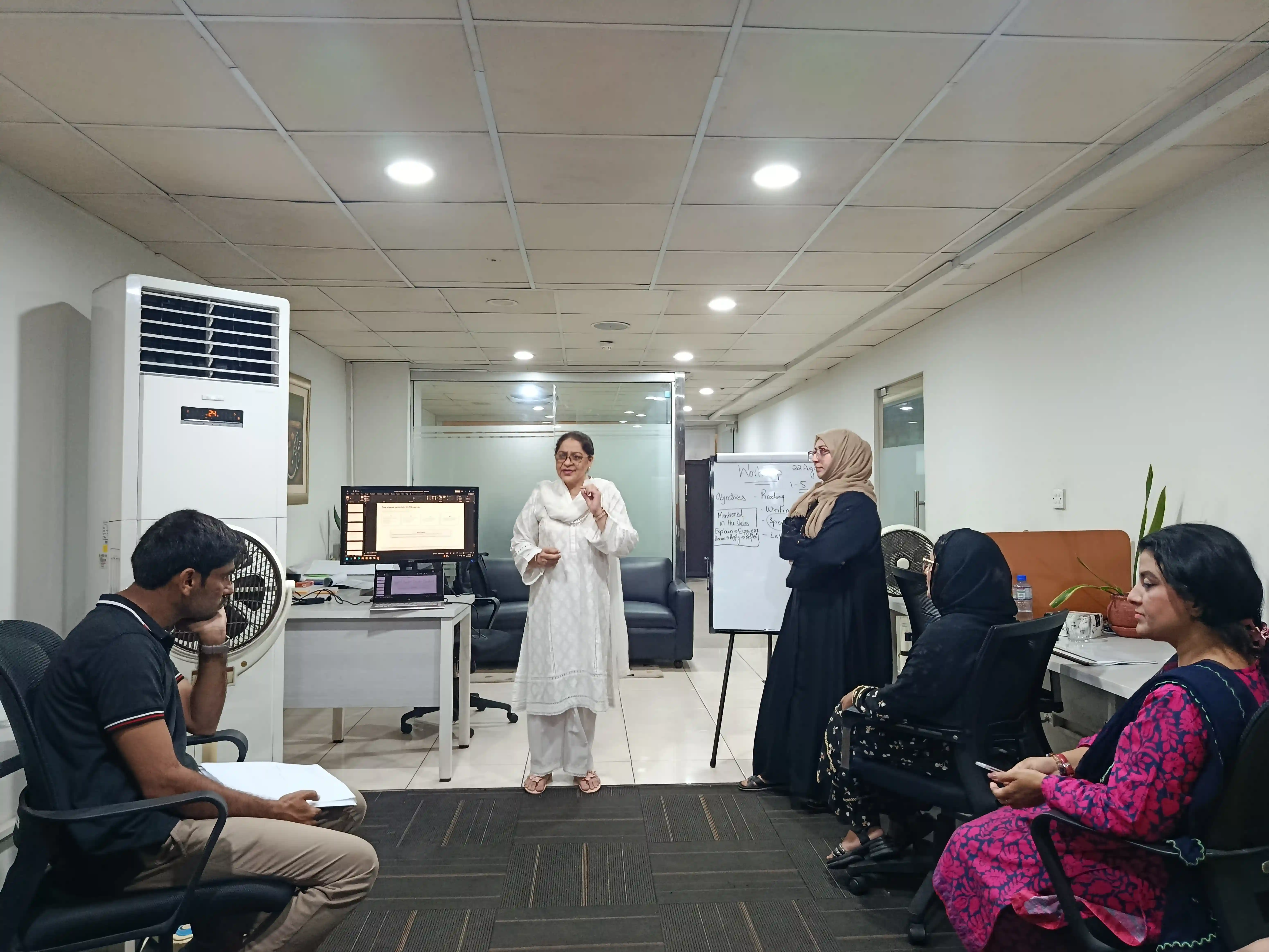
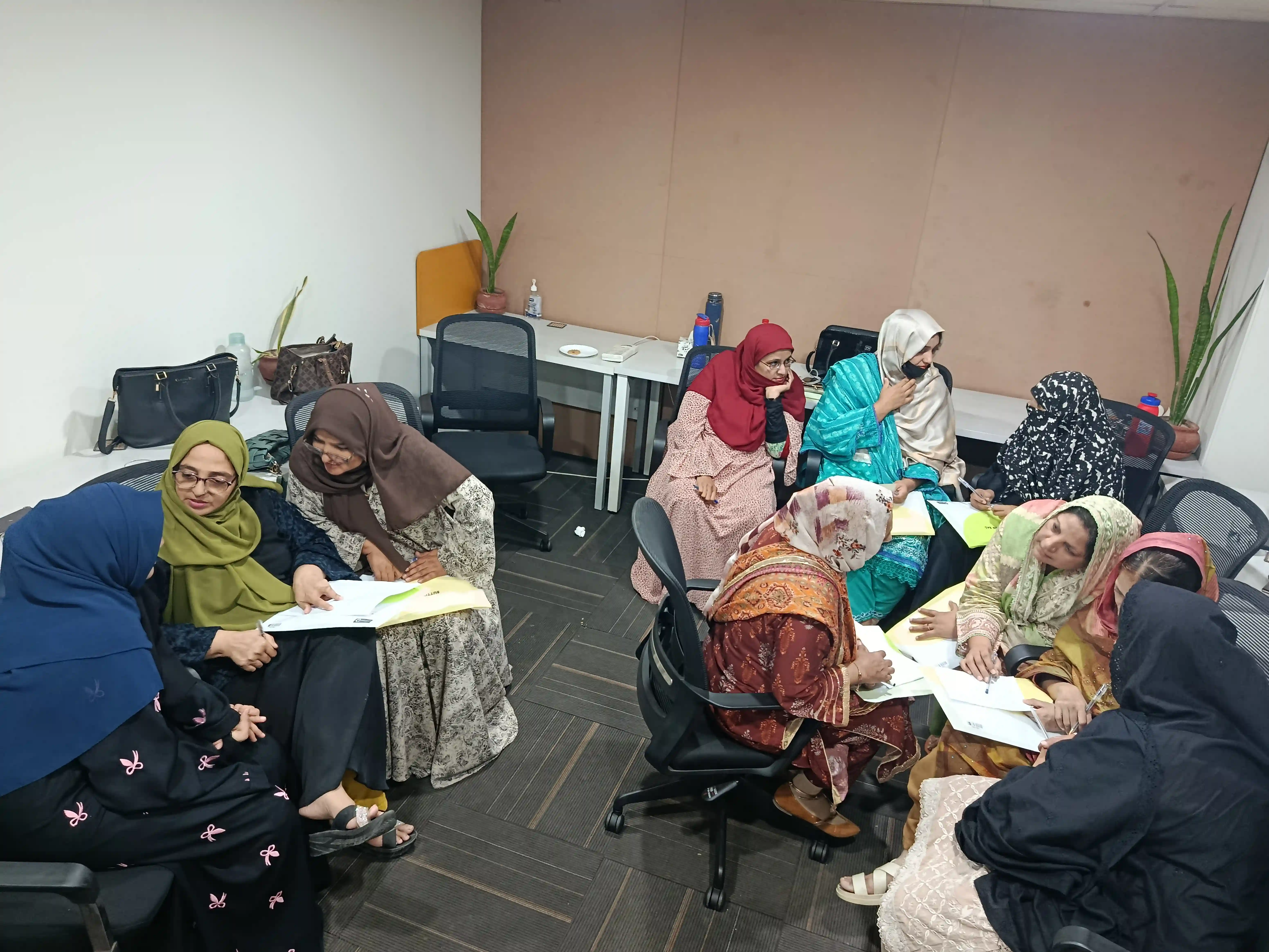
Our recent training programme covered Early Years & Montessori, STEM & Computing, English Language, and Urdu & Humanities. Different subjects, same underlying shift:
From “What did I teach?” to “What can my students now do?”
Across every session, teachers practiced moving:
- Recall → understanding and application
- Passive explanation → active exploration
- Textbook examples → real-life connections
- Teacher-led talk → student participation
This doesn’t mean abandoning the textbook or the exam. It means using them as a starting point, not the finish line.
What Changes in Each Subject
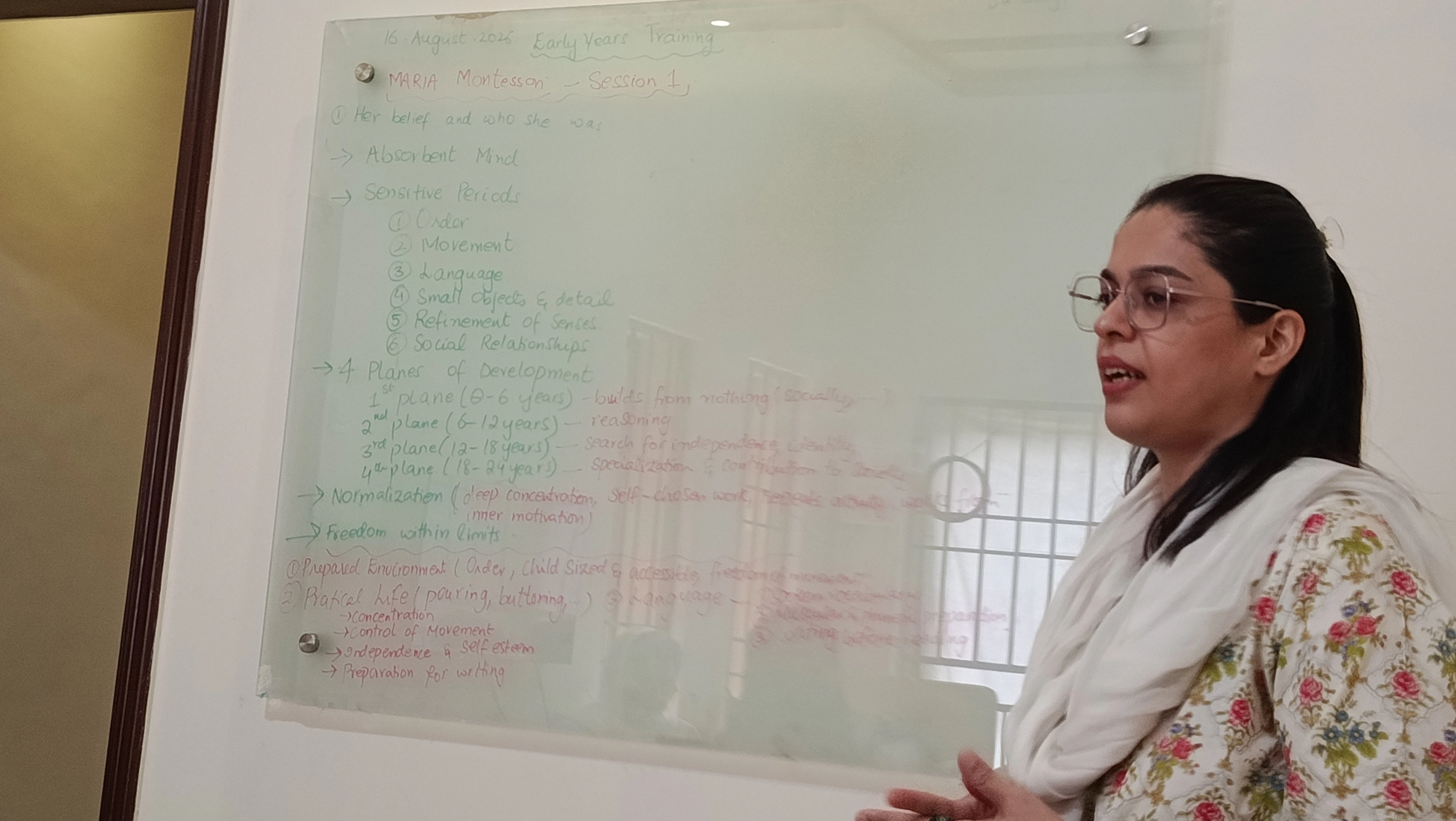
Early Years & Montessori
Young children learn by touching, moving, and doing, not just listening. Instead of judging progress by pages completed, look for curiosity, independence, and communication. Example: a child sorting real objects by size before representing the concept on paper.
STEM & Computing
Students move from memorising facts to a cycle of Predict → Investigate → Test → Explain → Apply → Create, building problem-solving skills rather than relying on rote procedures. Ask: Are students following a formula, or working out why it holds? Example: instead of one worksheet for the whole class, a teacher uses AI to generate three difficulty levels of the same problem, so students can work at an appropriate level while the teacher circulates and guides.
English Language
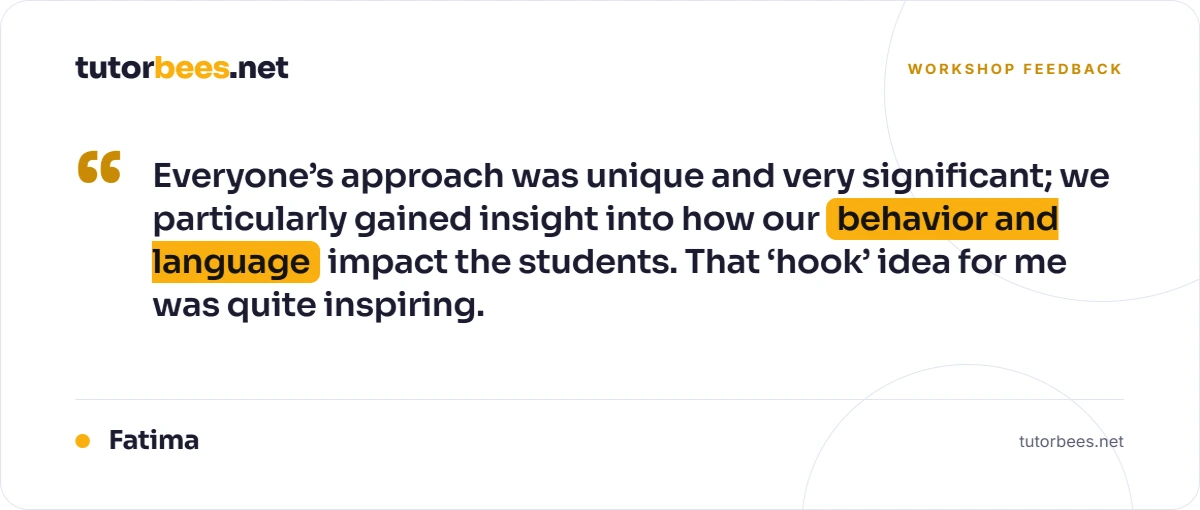
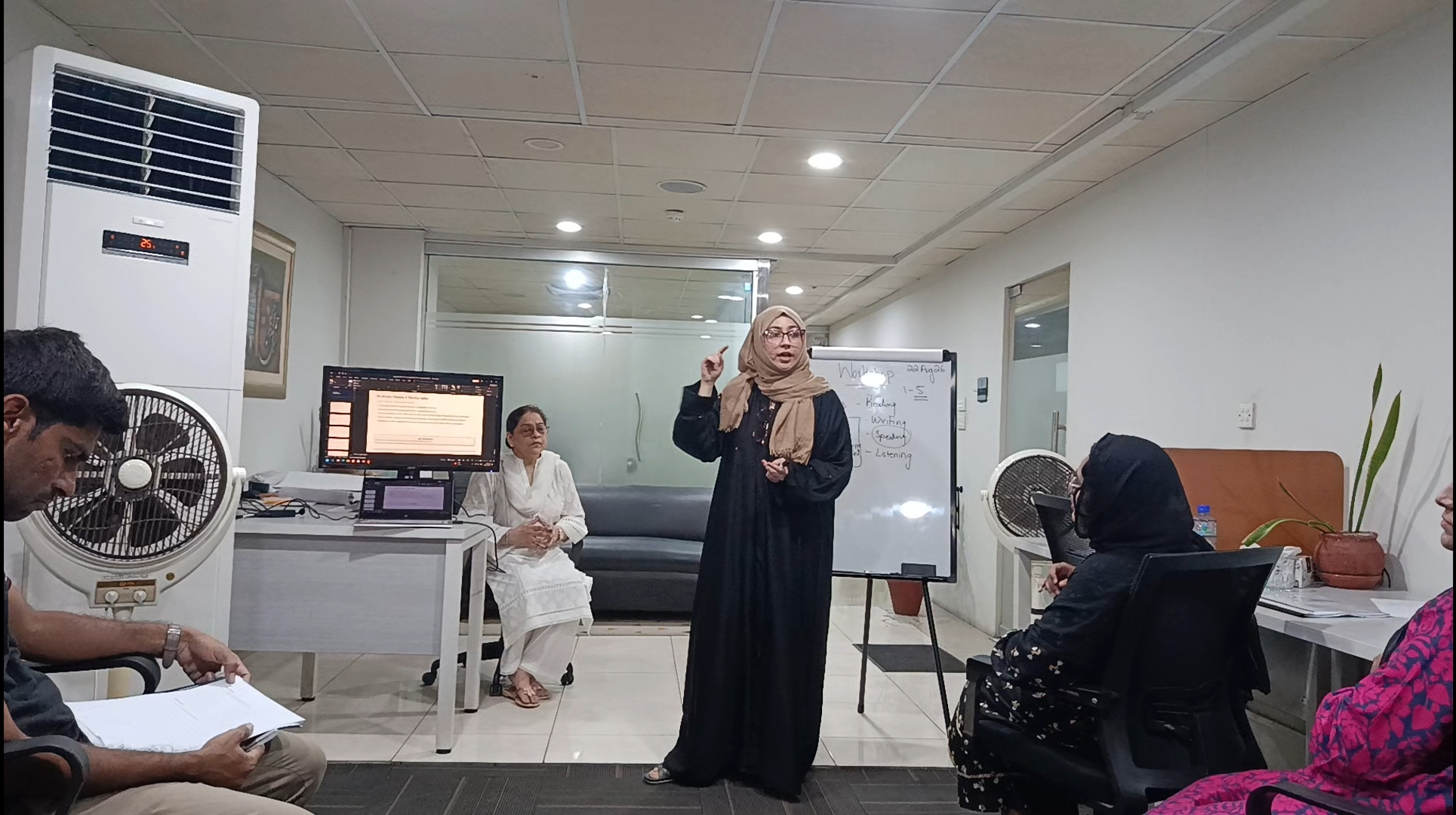
Grammar sticks when it’s used in real conversation, not drilled in isolation. Ask: Are students actually communicating in English, or mostly completing exercises about it? Example: a grammar point taught through a role-play instead of a worksheet.
Urdu & Humanities
These subjects come alive when tied to students’ own lives. Example: instead of memorising the format of an official application, students write one for a real, local need. A geography lesson starts with the neighbourhood, not the textbook map.
A Progression That Grows With Age
| Stage | Instructional Flow |
|---|---|
| Younger Learners | Show → Speak → Move → Repeat → Use |
| Middle Grades | Observe → Connect → Explain →Practise → Apply |
| Older Students | Question → Analyse → Discuss → Apply → Create |
The method changes with age. The principle doesn’t: students learn more when they’re actively making sense of what they learn, not passively receiving it.
From Workshop to Classroom
A workshop introduces an idea. It only becomes real when teachers can practice it, reflect, adjust, and try again. That follow-through is where school leadership matters most, even without a dedicated training team.
How do you know the teacher training was impactful?
☐ Are teachers limiting teacher talk to brief framing, leaving the majority of class time for student activity?
☐ Are students asking better questions and explaining their reasoning rather than just giving single-word answers?
☐ Are students applying ideas to unfamiliar situations and solving authentic problems?
☐ Are teachers connecting classroom content to real life and local contexts?
☐ Are early years students moving, manipulating physical materials, and building independence rather than doing passive desk work?
☐ Are STEM students navigating an active investigation loop and troubleshooting errors before asking for help?
☐ Are language students producing original spoken and written communication rather than filling in workbook blanks?
☐ Is classroom observation evaluating student engagement and learning evidence, not just teacher delivery?
☐ Are teachers receiving dedicated time to reflect on what worked and collaborate on strategy adjustments?
We design Customised Programs
TutorBees.net designs training shaped around your teachers’ actual lesson plans and classrooms, not generic slides. Whether the priority is early-years pedagogy, STEM, language development, or student engagement, our specialists build each session around your school’s needs.
Ready to see what this looks like for your school? We’ll take the time to understand your current priorities and suggest practical areas to begin. For a free consultation, email admin@tutorbees.net.