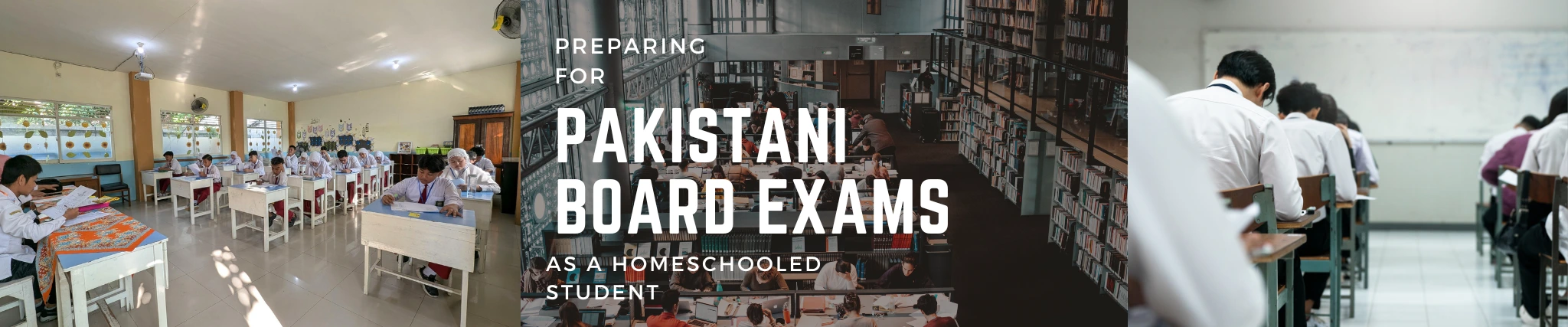

Pakistani board exams are a pivotal moment in a student’s academic journey, shaping future educational and career opportunities. For homeschooled students, these exams present both a challenge and an opportunity. Without the structure of a traditional school, preparing for matriculation (Class 10) requires self-discipline, resourcefulness, and a strategic approach.
However, with the right mindset and tools, homeschoolers can not only succeed but also thrive. This guide walks through the steps to prepare effectively, embrace the flexibility of homeschooling, and confidently tackle board exams.
Understanding the Importance of Board Exams
In Pakistan, board exams are standardized tests administered by educational boards like FBISE or provincial boards such as BISE Lahore. These exams are important because they determine eligibility for higher education, serve as a benchmark for academic achievement, and can influence career paths and scholarship opportunities.
For homeschooled students, performing well in these exams is especially important because it demonstrates the ability to meet national educational standards without the traditional school framework.
Challenges Homeschooled Students Face
Homeschooling offers flexibility, but it also comes with unique hurdles when preparing for board exams.
One common challenge is the lack of structure. Without a fixed school schedule, managing time and staying disciplined can become difficult. Homeschooled students are responsible for building their own routines and staying consistent throughout the year.
Another challenge is access to resources. Finding the right curriculum, textbooks, and study materials may require additional effort compared to traditional schooling.
Social learning can also become limited. Missing classroom discussions and peer interaction sometimes makes difficult subjects harder to understand. Parents may also feel uncertain about how to guide and support exam preparation effectively.
These challenges are real, but they are manageable with the right strategies and support system.
Accessing the Right Curriculum and Materials
Since Pakistani homeschoolers are not bound by a mandated curriculum, it is essential to align studies with the official syllabus of the selected board.
Start by visiting your educational board’s website, such as FBISE or BISE Lahore, to download the latest syllabus for your subjects and grade level.
Students should also obtain the recommended textbooks, such as those published by Punjab Textbook Board or Sindh Textbook Board. These books are available at local bookstores, and second-hand copies can often be found through platforms like Daraz and OLX Pakistan.
To strengthen preparation further, online resources can be extremely useful. Websites such as IlmKidunya provide access to study notes, video lectures, and past papers designed specifically for Pakistani board students.
Tip: If there is any confusion regarding the syllabus or exam requirements, contacting the local board office directly can help clarify important details.
Creating a Study Plan That Works
A well-structured study plan is one of the most important parts of board exam preparation.
Begin by dividing the syllabus into manageable sections for each subject. Focusing on one topic at a time helps prevent burnout and keeps learning organized.
Students should set realistic daily and weekly goals. A planner or calendar can help track completed topics and maintain consistency throughout the preparation period.
Core subjects such as Mathematics, English, and Science usually require extra attention due to their weightage and conceptual nature. Allocating additional study hours to these subjects can improve overall performance.
It is equally important to schedule regular revision sessions. Reviewing previous topics strengthens memory retention and helps identify weak areas before exams arrive.
For example, a matric student might dedicate two hours daily to Mathematics while assigning one hour each to English and Pakistan Studies, adjusting according to strengths and weaknesses.
Finding Social Learning Opportunities
Although homeschooling can sometimes feel isolating, there are several ways students can stay socially connected and improve learning.
Online communities and discussion forums can be very beneficial. Platforms like Reddit and Facebook groups for Pakistani students allow learners to ask questions, share resources, and discuss academic challenges.
Students can also form small study groups with fellow homeschoolers or friends preparing for similar board exams. Even virtual sessions through Zoom or WhatsApp can recreate a classroom-like environment and keep motivation levels high.
Community spaces such as libraries, mosques, and local learning centers may also provide study-friendly environments and educational activities.
Mastering Exam Preparation
Board exams require more than subject knowledge. Students must also develop strong exam-taking skills.
Practicing past papers is one of the most effective ways to understand exam patterns, question styles, and time management. Past papers are available through IlmKidunya and official board websites.
Students should also attempt mock exams under timed conditions. This improves focus, builds confidence, and reduces exam anxiety.
After completing mock tests, students should carefully evaluate weak areas and spend additional time strengthening those topics.
For instance, if essay writing in English feels challenging, writing one practice essay every week and receiving feedback from a parent or tutor can make a significant difference over time.
Understanding the Marking Scheme
Understanding how papers are graded can help students score better marks.
Some chapters carry higher weightage than others, so students should prioritize important topics while planning their preparation. Subjects like Science and Social Studies also require properly structured answers, diagrams, and step-by-step explanations.
Presentation matters as well. Clear handwriting, neat labeling, and organized answers often leave a positive impression on examiners and can contribute to better scores.
Tip: Reviewing official marking schemes can help students understand exactly what examiners expect in answers.
The Role of Parents in Exam Preparation
Parents play a crucial role in supporting homeschooled students throughout the exam preparation journey.
Providing a quiet and distraction-free study environment can help students stay focused. Parents can also assist with creating schedules while still allowing children to take ownership of their learning.
Emotional support is equally important. Encouraging regular breaks, celebrating small achievements, and reminding students that asking for help is completely normal can greatly reduce stress.
At the same time, avoiding excessive micromanagement helps students build independence and confidence.
If additional academic support is needed, parents can consider hiring subject-specific tutors or exploring online platforms like TutorBees.net for extra guidance.
Conclusion: Embrace the Journey
Preparing for Pakistani board exams as a homeschooled student is undoubtedly a unique challenge, but it is also an opportunity to take control of one’s education.
The flexibility of homeschooling allows students to learn at their own pace, focus on strengths, and develop valuable self-discipline skills that extend beyond academics.
By staying consistent, using the right resources, and maintaining a structured study routine, homeschooled students can confidently approach their exams and achieve their goals.
With dedication, patience, and the right mindset, success is absolutely within reach.